Purpose of Your Trip – 2026
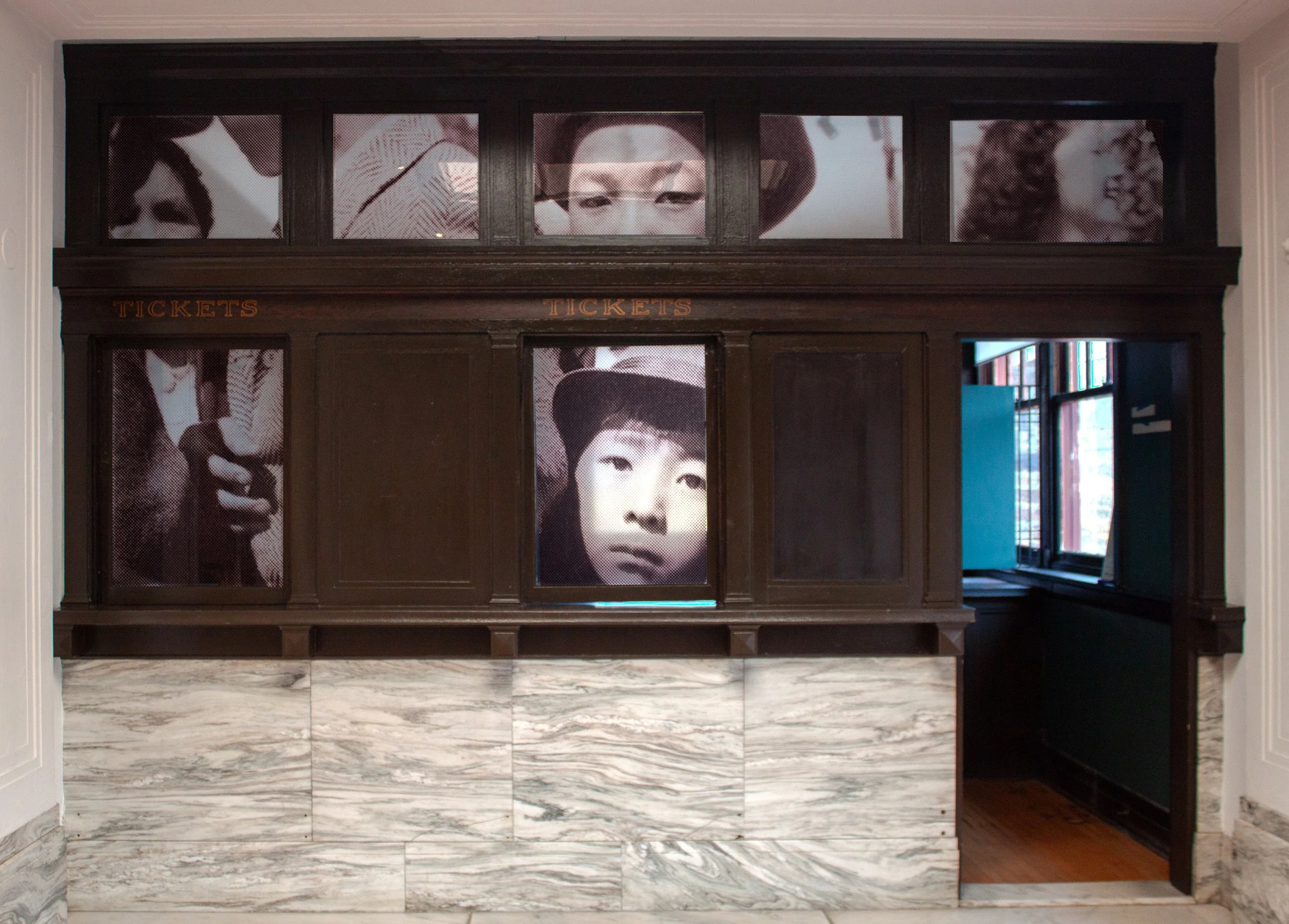
Brattleboro Museum and Art Center Ticket Booth Gallery entrance. Exhibition curated by DJ Hellerman and made with generous support from the Vermont Arts Council.
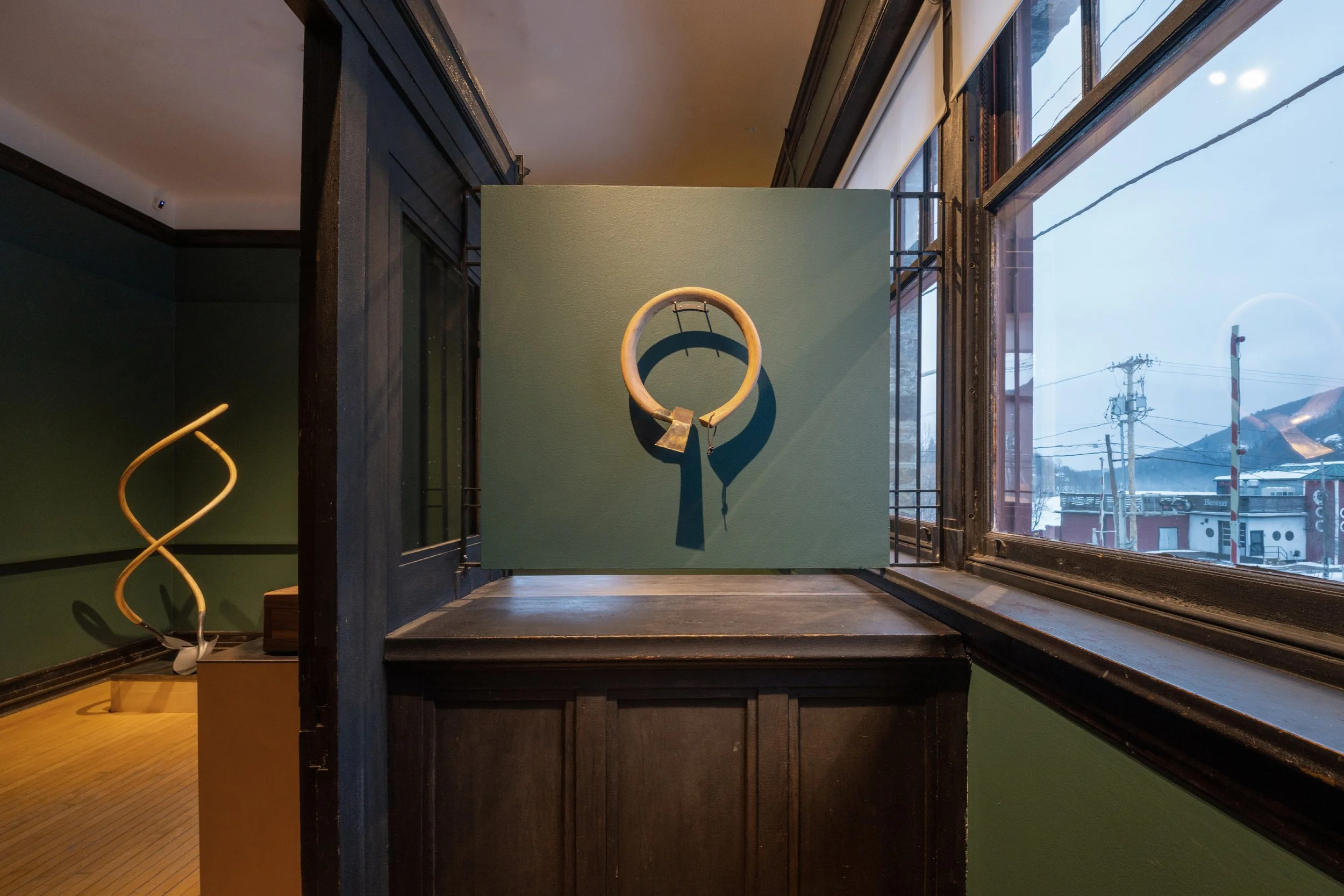
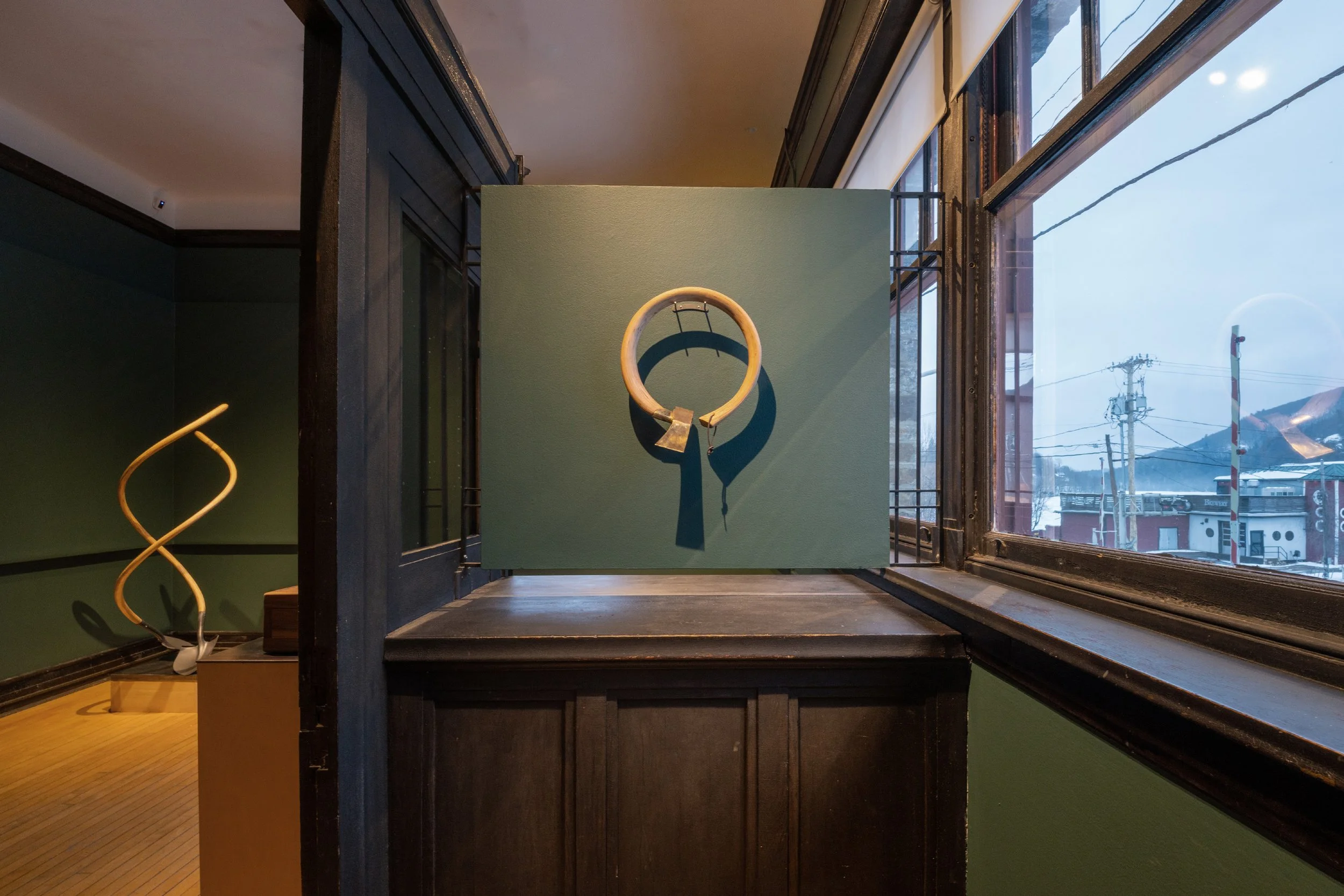
Enso – 2023
Cast bronze, steam bent ash, sapele, leather
Purpose of Your Trip – 2026
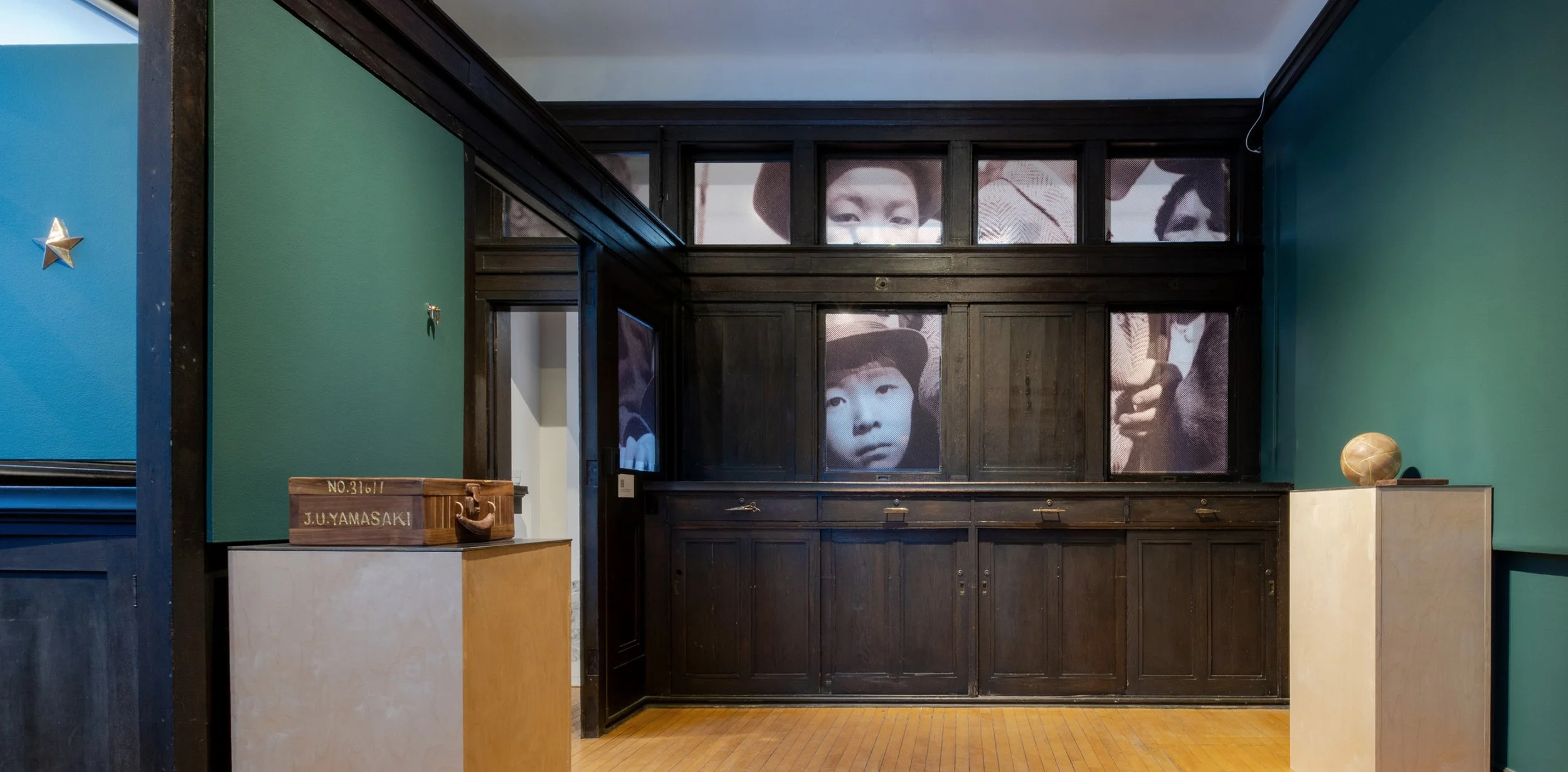
Ticket booth gallery view.
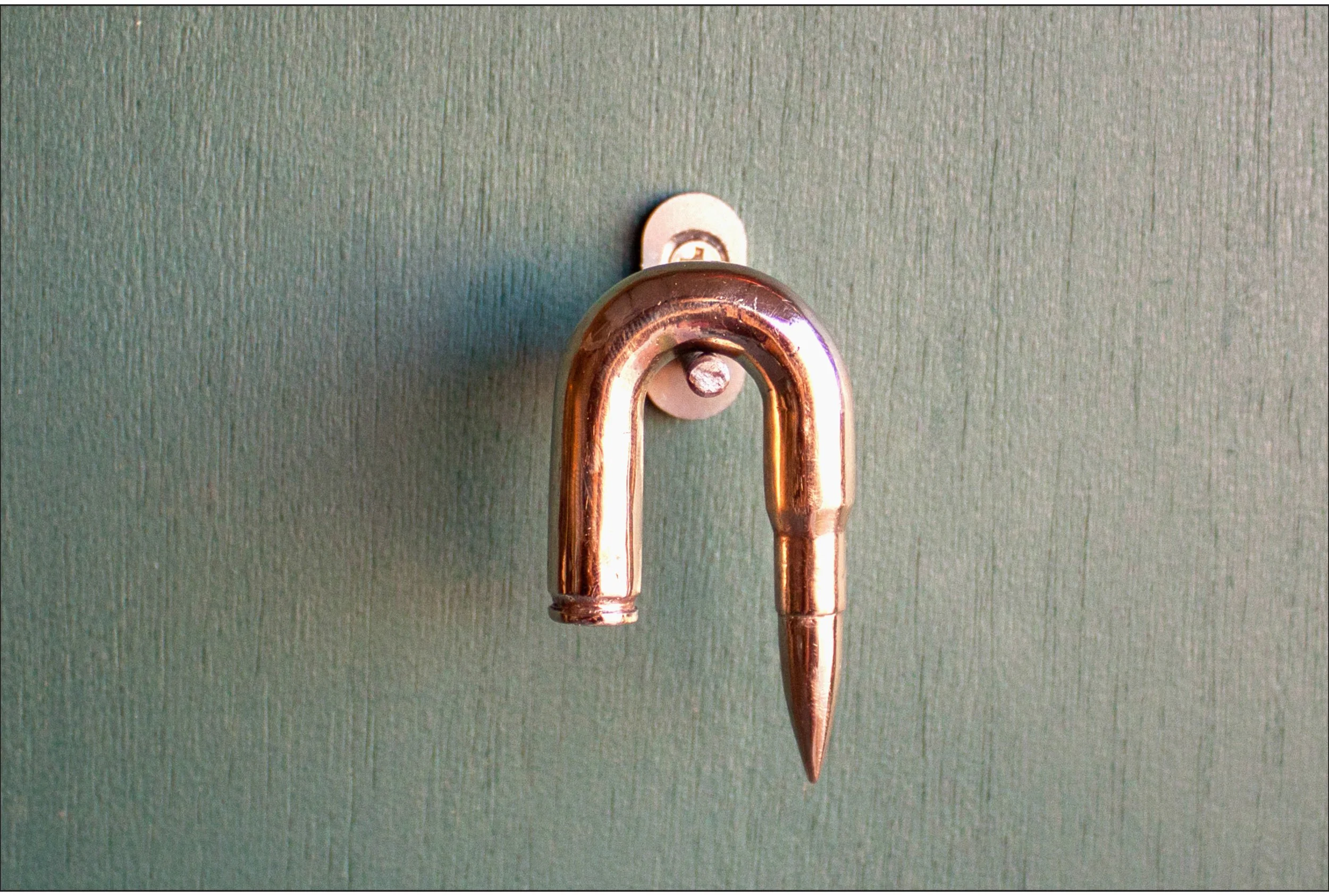
Droop – 2025
Cast bronze, steel
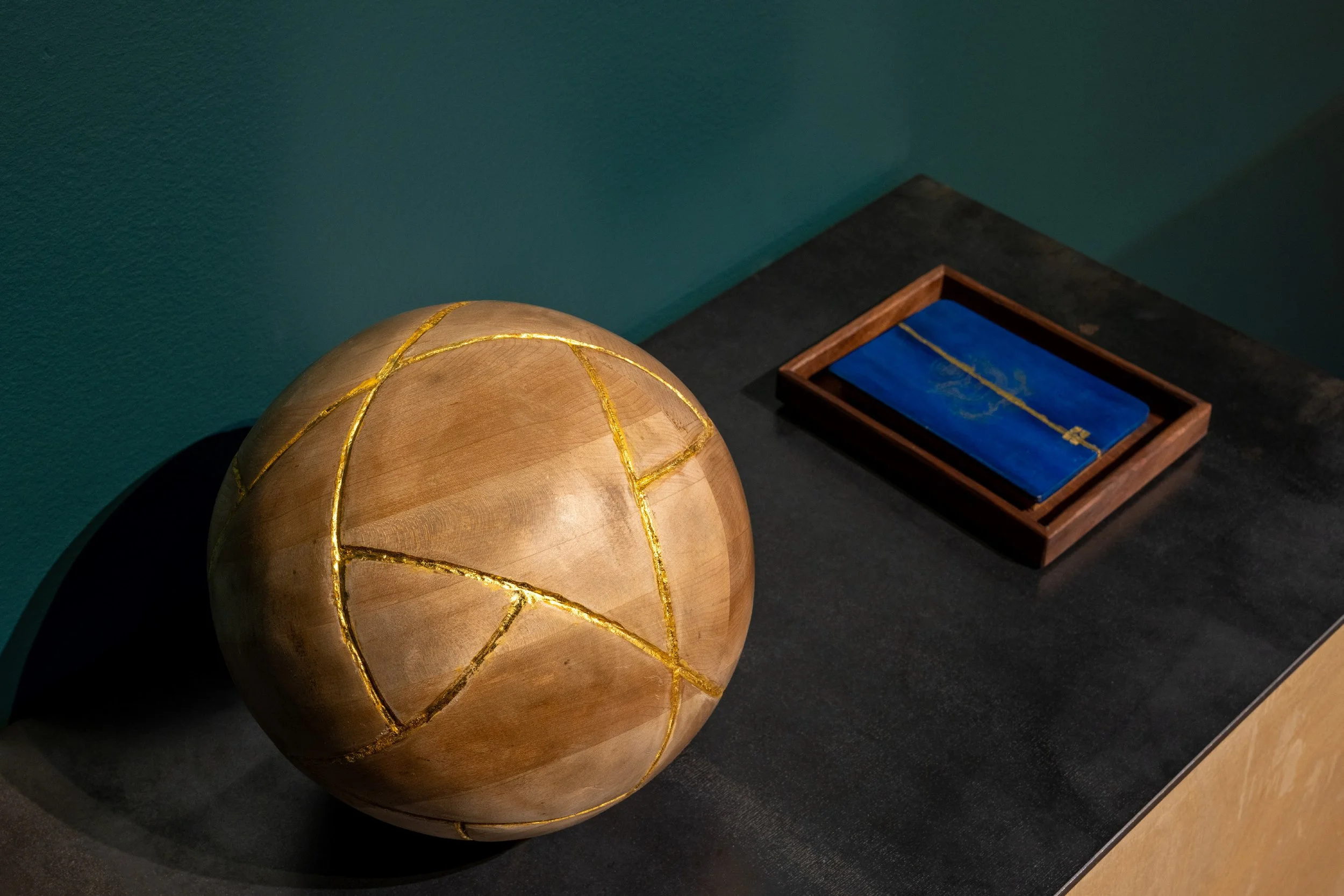
Fifa Soccer Ball, Kintsugi Passport – 2025
Maple, gold leaf; Maple, gold leaf, aniline dye, black walnut
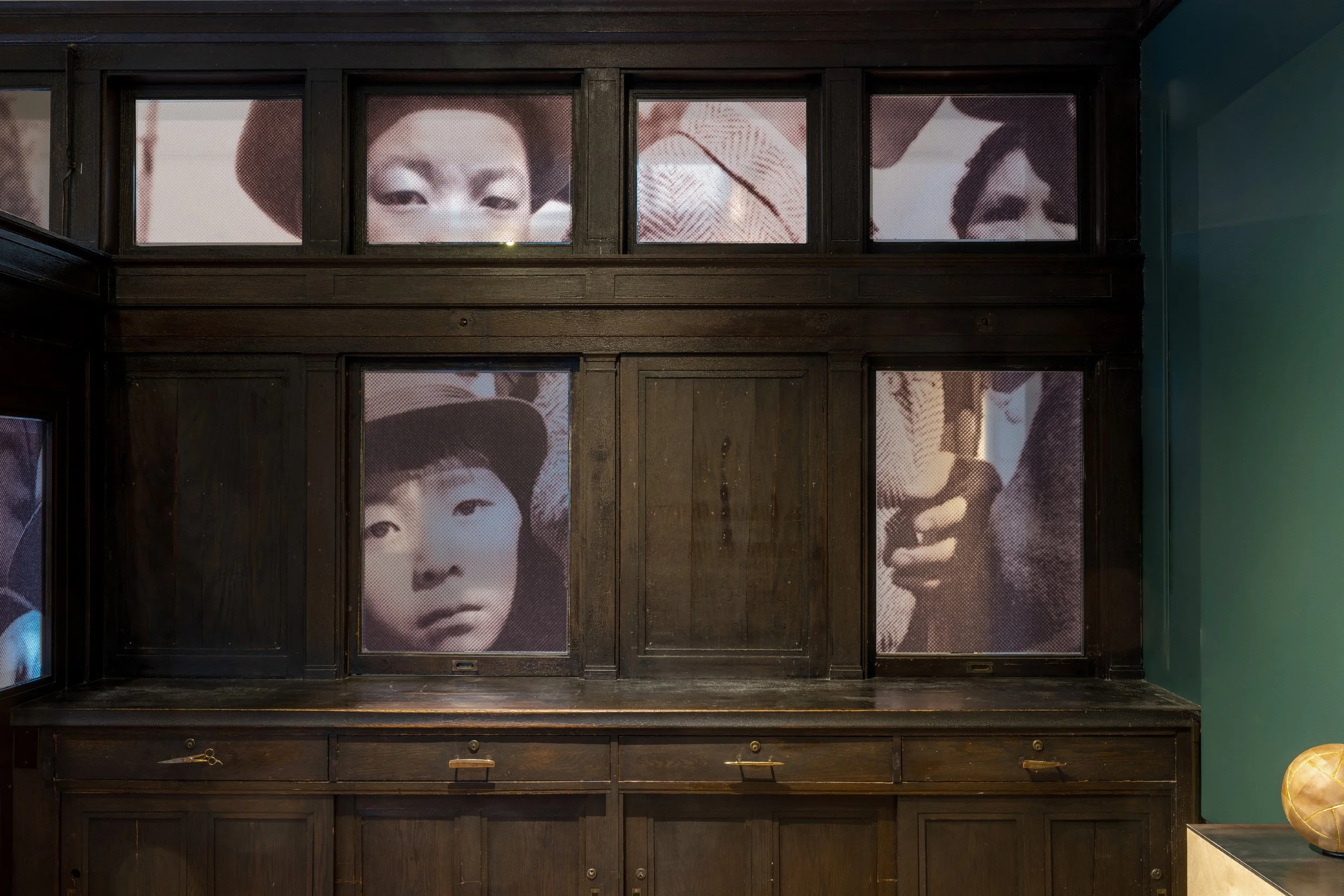
Purpose of Your Trip and Custom Drawer Pulls – 2026
Dorthea Lange photograph on transparency depicts artist’s relatives Kazuyo, Bert Asato and Jun Nakao at Turlock Assembly Center, 1942.
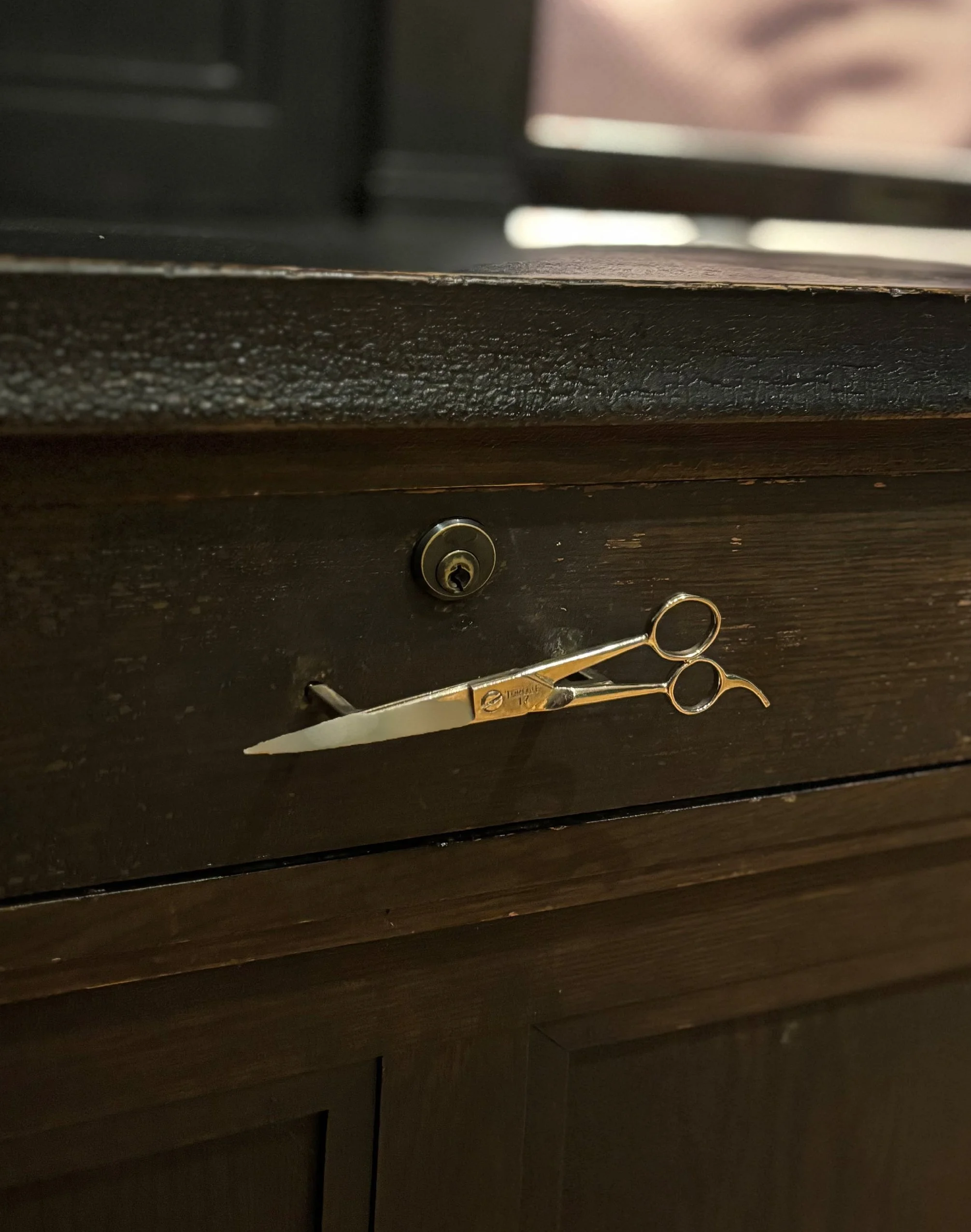
Drawer Pull (Shears) – 2025
Cast bronze
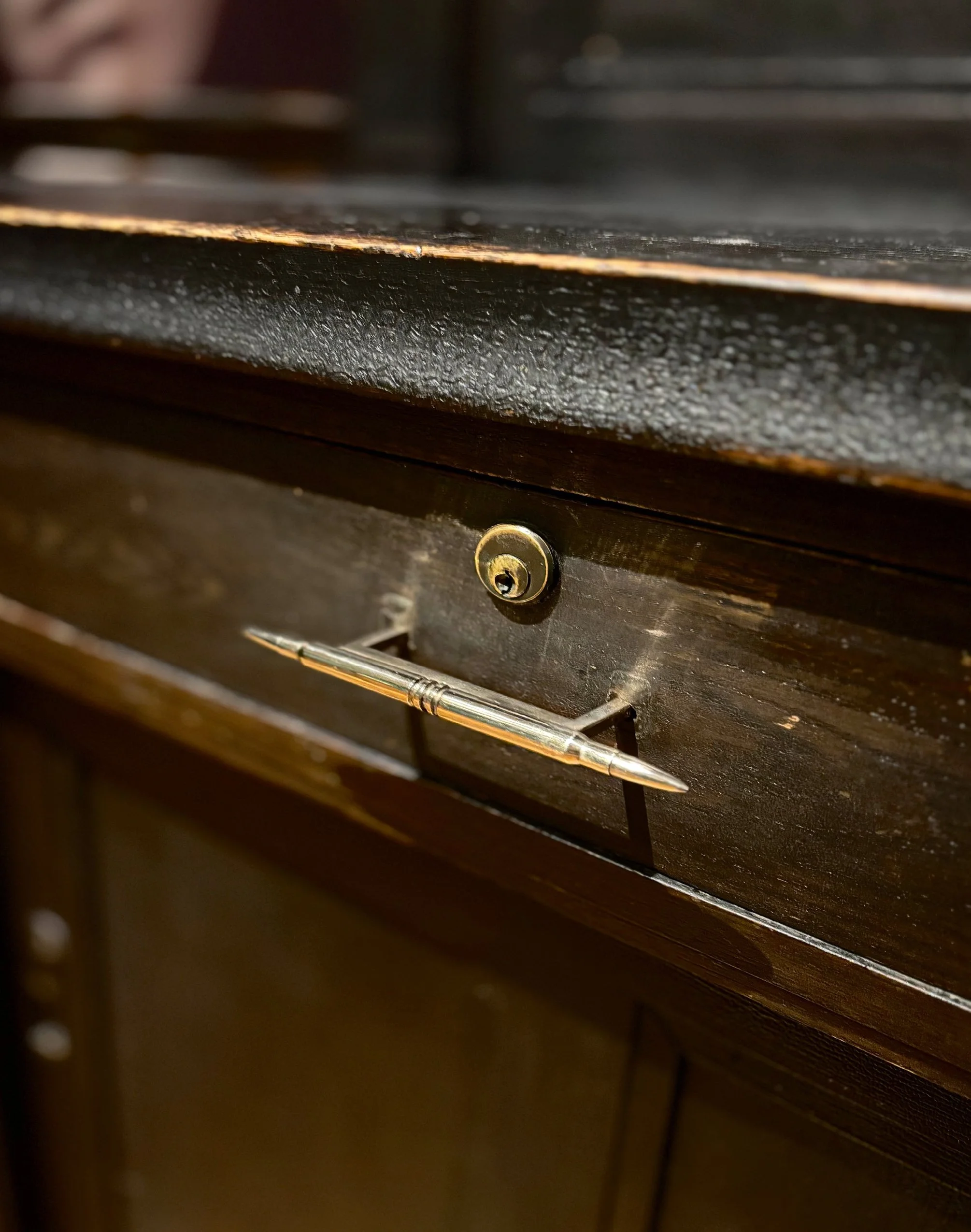
Drawer Pull (30-06 Bullets) – 2025
Cast Bronze
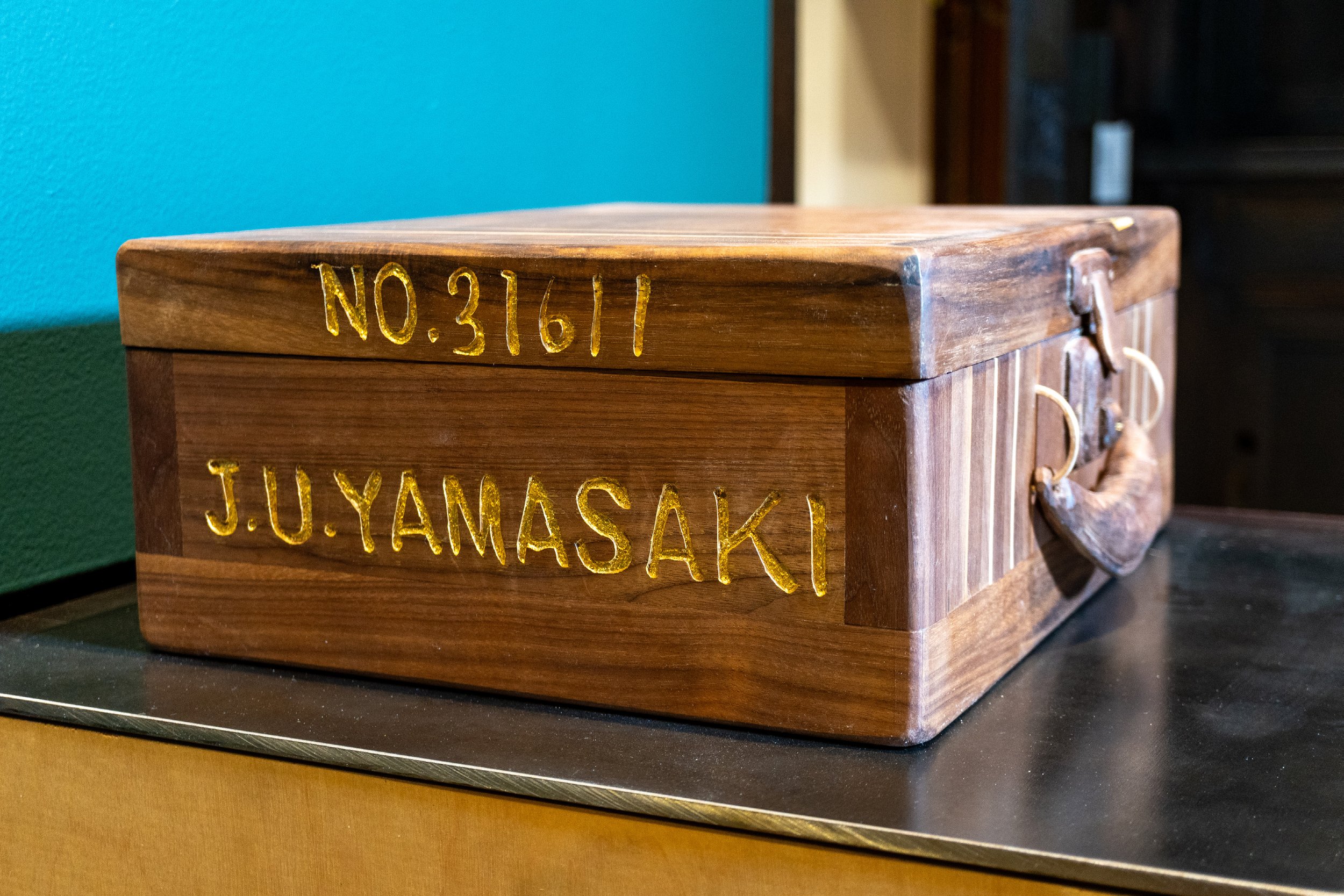
Suitcase – 2025
A replica of artists great grandfather’s suitcase carried into Manzanar Internment Camp. Black walnut, sapele, ash, gold leaf
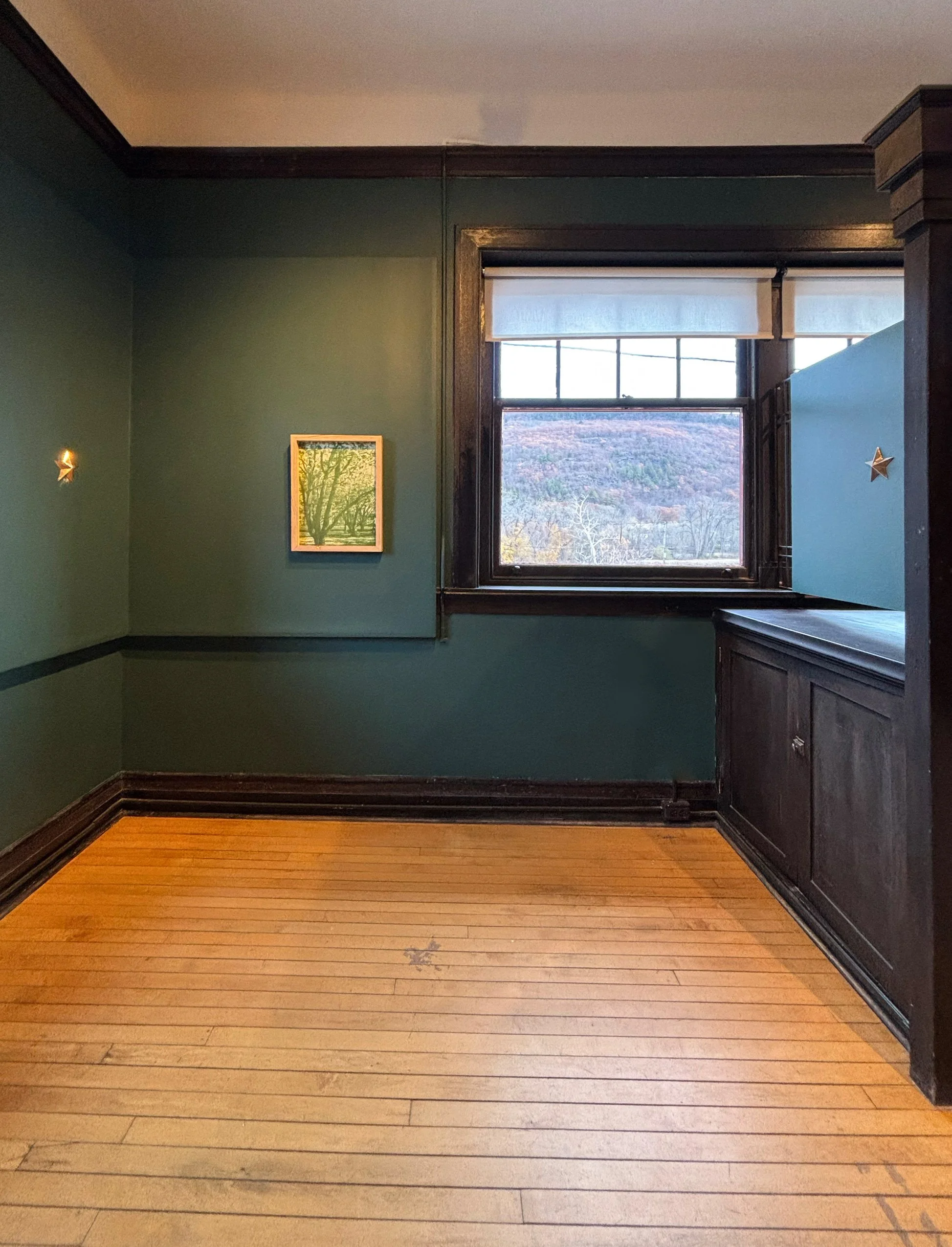
Purpose of Your Trip – 2026
Gallery view
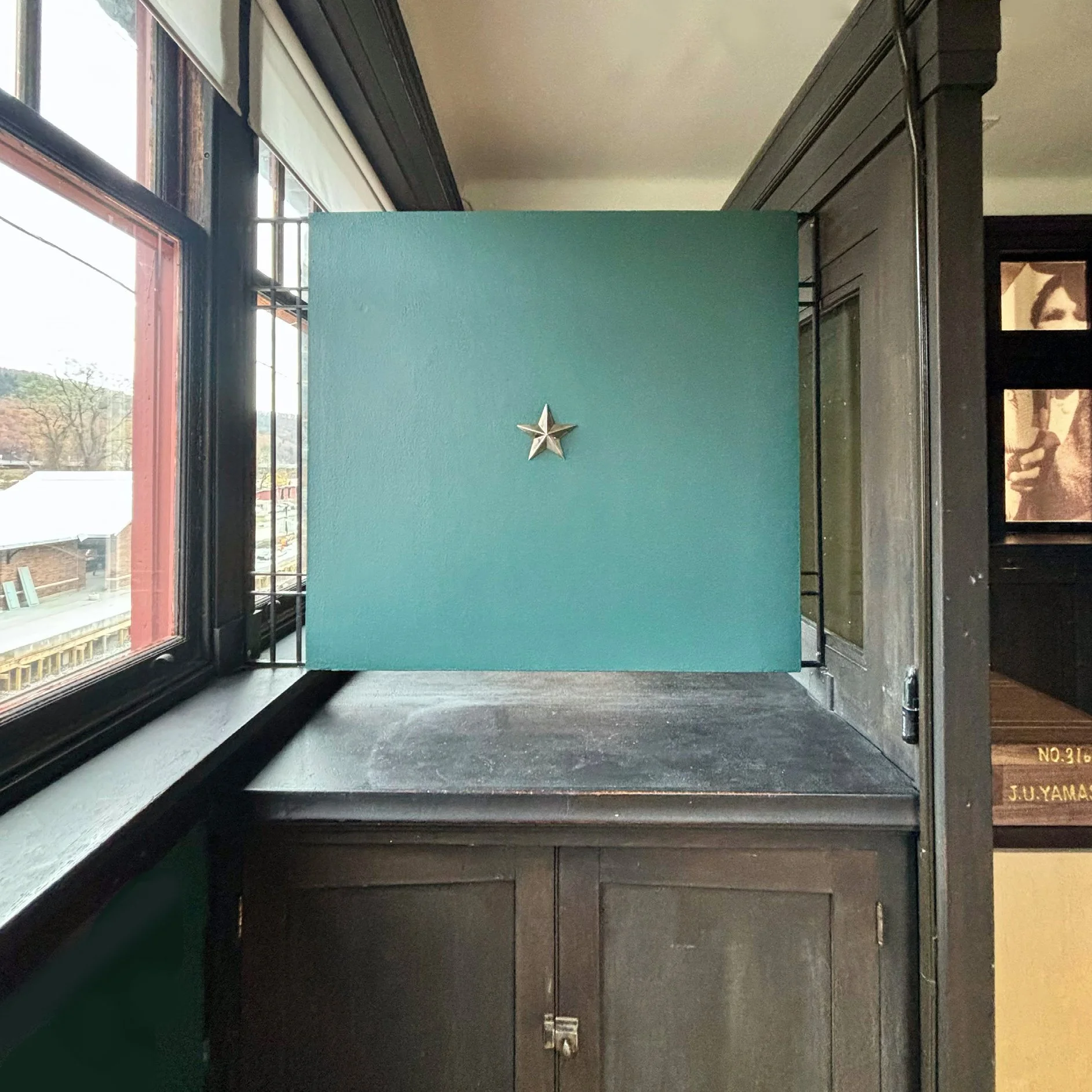
Star – 2025
Cast bronze
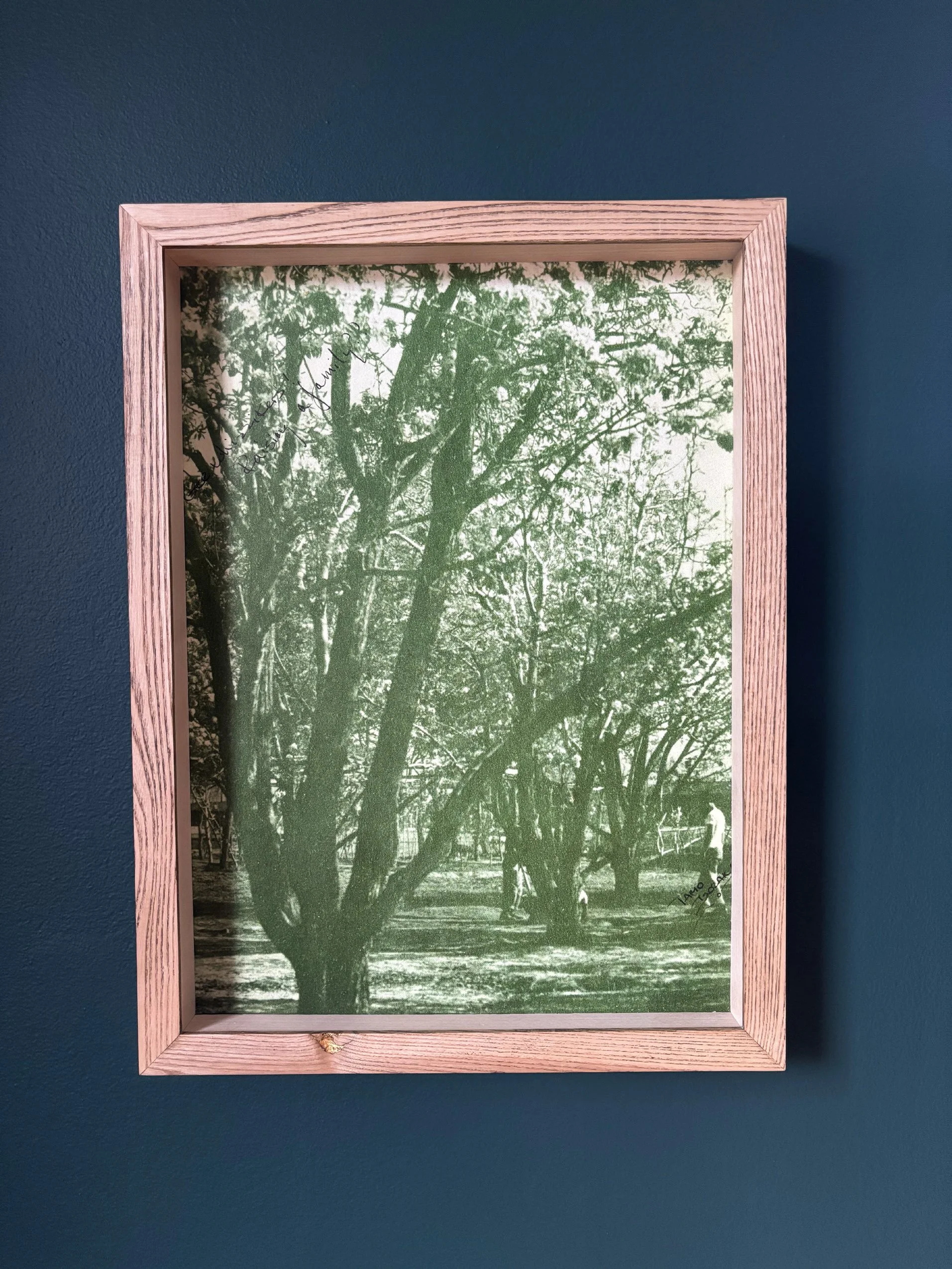
Manzanar Yearbook Cover Page – 2025
Scan from 1944 Manzanar Internment Camp Yearbook. Signed by friends of the artist’s grandfather, Noboru Yamasaki.
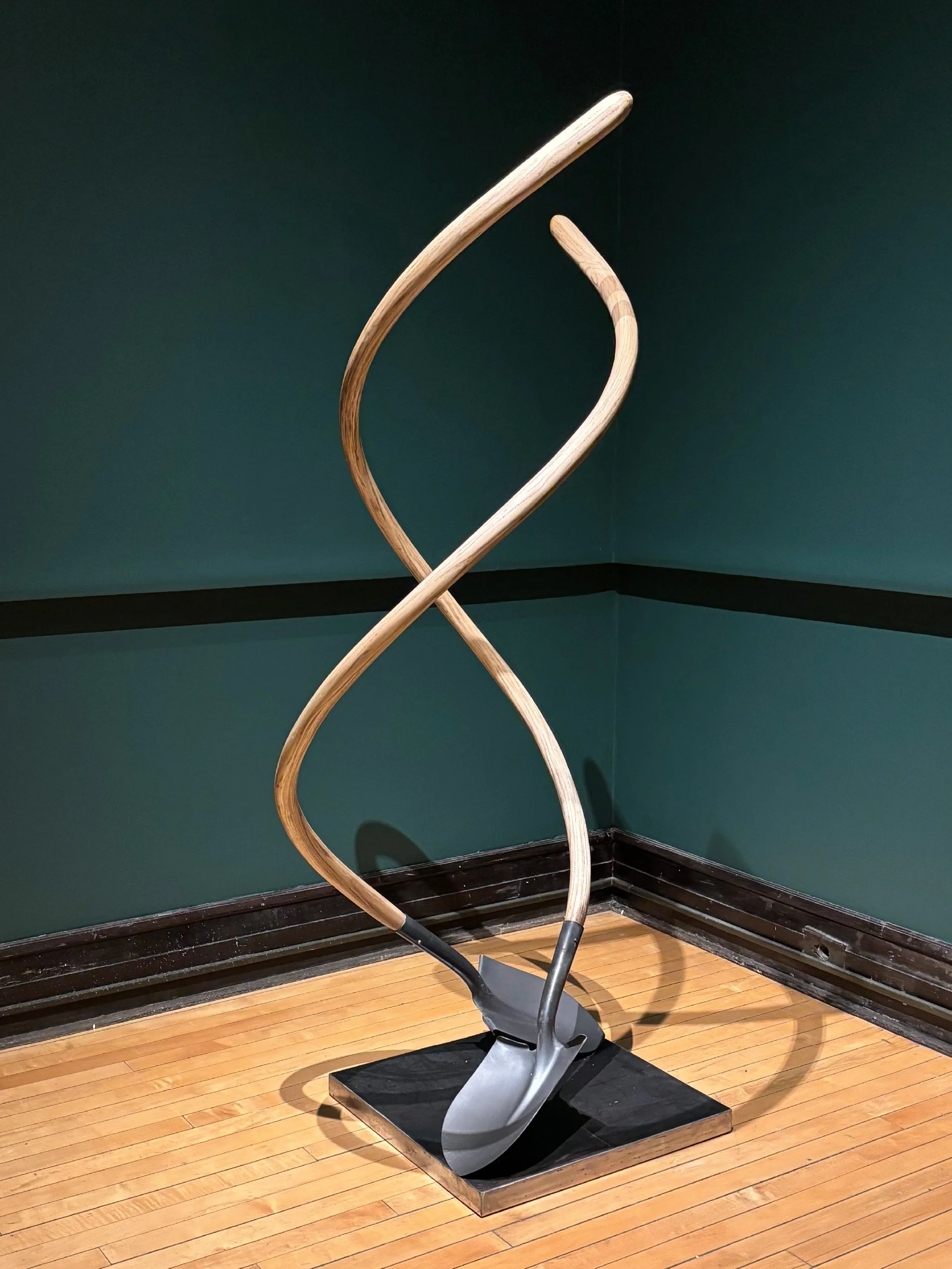
Double Helix Shovels – 2025
Steam bent ash, steel
Curator Essay
Elliott Katz’s first solo museum exhibition, The Purpose of Your Trip, transforms the Brattleboro Museum & Art Center’s historic Ticket Gallery into a poignant reflection on heritage, migration, and self-invention. Katz traces his Japanese American family’s journey across North America—their migration in the 1920s, their internment during World War II, their eventual life in Vermont—and reimagines personal heirlooms and tools as evocative artworks. The exhibition bridges past and present, capturing the ambition and imagination needed to build a meaningful life.
BMAC’s Ticket Gallery acts as a powerful metaphor, representing the movement and regulation of people, whether by choice or by force. A site-specific installation within the exhibition incorporates the historic architecture of BMAC’s building—a former train station—and uses light and the opacity of the windows to conjure an ethereal feeling of the past. The installation incorporates a photograph by Dorothea Lange depicting members of Katz’s family, which Lange took in 1942 while working for the War Relocation Authority as part of her documentation of Japanese Americans in the California internment camps. Katz builds upon Lange’s capturing of daily life for the individuals uprooted from their homes to highlight his own family’s story and their search for stability, as well as the difficulty of understanding and relating to historical events such as these.
Katz’s sculptures transform commonplace objects into human scaled, charged works of beauty and disorientation. They embody a sense of transience, such as a replica of the suitcase that Katz’s great-grandfather James Usaburo Yamasaki (Ji-chan) carried into the Manzanar internment camp in 1942. Katz transforms the suitcase’s original twill fabric pattern into alternating sections of precious woods—black walnut, sapele, and ash—and renders his great-grandfather’s detainee number and signature as a gilded emblem. The original suitcase is one of the few possessions Katz has from his family history, and it serves as a reminder of that turbulent era.
Further integrating art with architecture, Katz has temporarily replaced the existing cabinetry hardware in the Ticket Gallery with a collection of new bronze drawer pulls, molded directly from his maternal grandparents’ barber tools—scissors, straight razor, comb—as well as a pair of bullets. Both grandparents worked as barbers, took pride in stylish haircuts—the ones they gave to others and their own—and used their shop as a vital gathering place for Japanese Americans in rural southern New Jersey.
The title of the exhibition, The Purpose of Your Trip, is drawn from the question Katz must routinely answer at the Canadian border each week as he crosses into Quebec to visit his partner and son, who live in Montreal. In the exhibition, a replica of Katz’s passport is placed beside a replica of his son’s soccer ball: two personal objects created using the Japanese art of kintsugi. This technique, which highlights rather than hides the cracks and the seams of broken and connected items, symbolizes the emotional and physical realities of a family separated by a national border while also honoring the connection between them.
The shovel is a recurring symbol in Katz’s artistic practice. In “Double Helix Shovels,” the simple tool is reworked to make it less functional and more imaginary. Katz draws upon the shape and structure of a DNA molecule to direct our attention to the interconnected family themes of the overall exhibition, showing the viewer how he has acknowledged and grappled with some of the inherited traumas, behaviors, and skills of his elders.
“Enso” references the Japanese Zen Buddhist symbol: a circle drawn in ink with only one or two brushstrokes to represent impermanence and the ongoing journey of growth. Embracing the wabi-sabi aesthetic, which finds beauty in imperfection, Katz reimagines the enso using an axe that he has altered—an object circling back on itself in a direct visualization of the destruction that is necessary for ongoing cycles of change and creation.
All the objects in The Purpose of Your Trip reflect the complexity of Katz’s grandparents’ lives, shaped by war, displacement, and a deep commitment to human dignity. At the same time, they speak to the life Katz is actively building today: one rooted in care, creativity, and the ongoing pursuit of a world that values big, open, and independent thinking.
— DJ Hellerman